
Buying a new build property in Curaçao gives you modern specifications, low early maintenance and often a managed rental programme, but you pay before you can inspect and you carry construction risk. A resale home is finished, can be inspected, reaches the notary faster and usually leaves more room to negotiate. Your timeline, budget and rental plans decide.
New build property in Curaçao vs resale: what are the pros and cons?
New build: the advantages
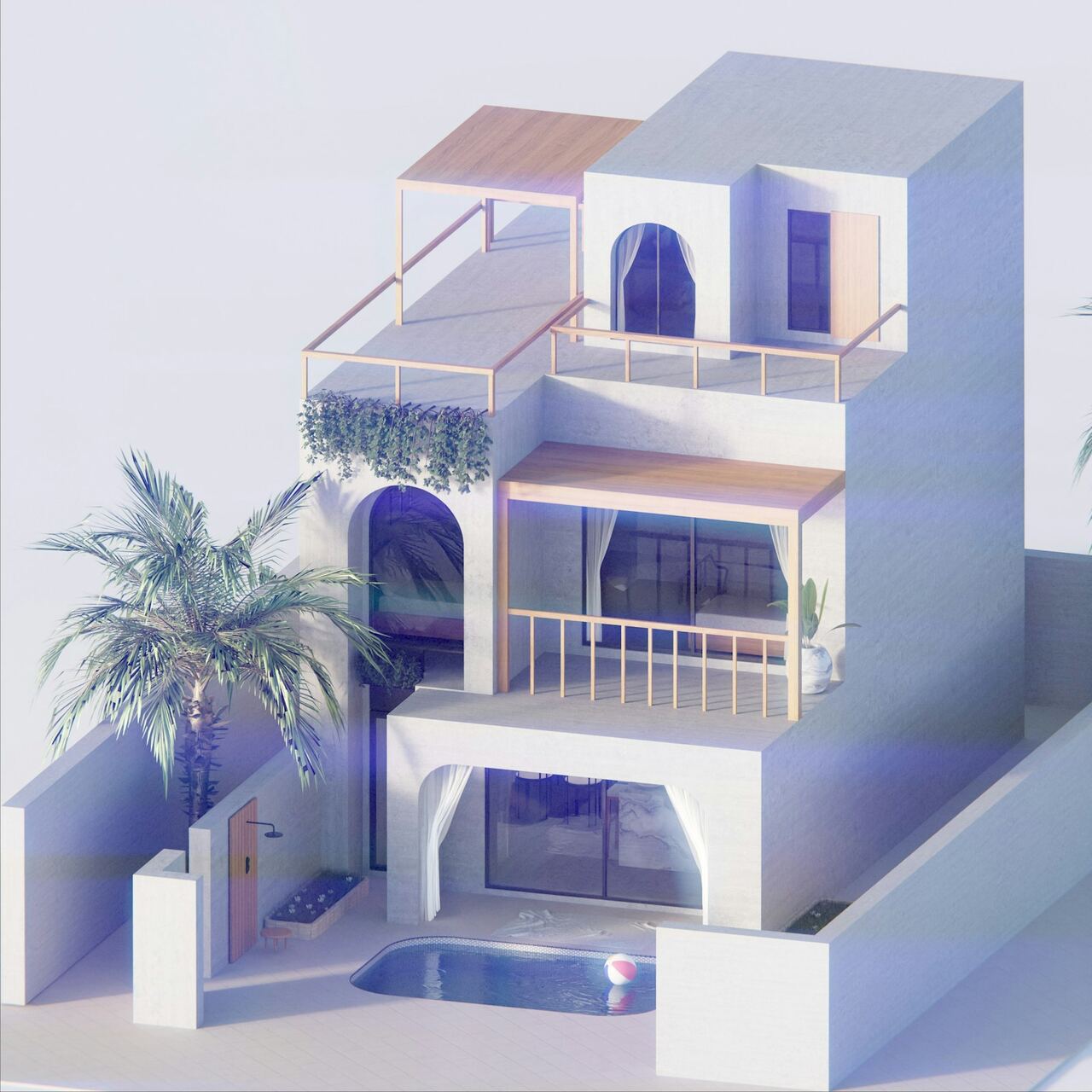
- Modern specification. Current layouts, new installations and finishes suited to the climate.
- Low early maintenance. Roof, air conditioning, pool and kitchen start their working life with you.
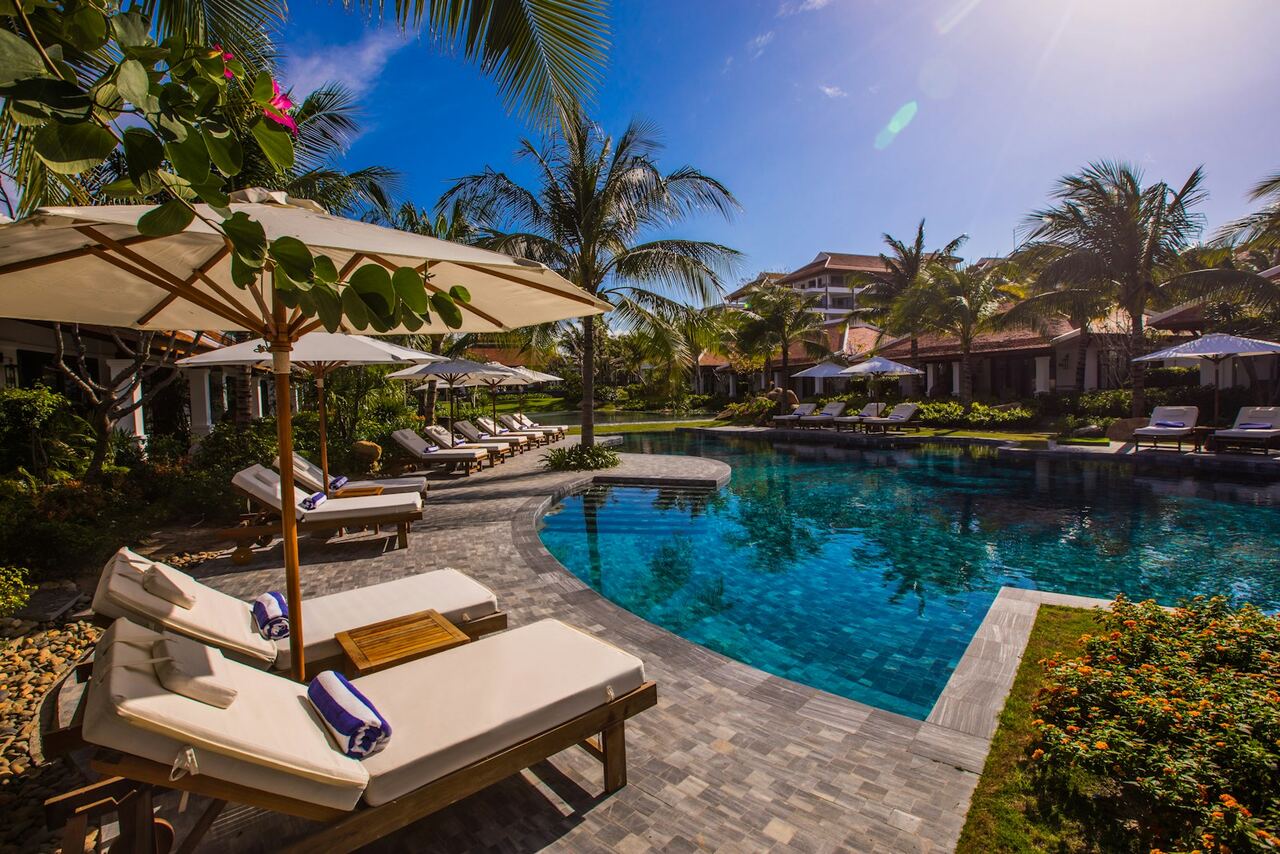
- Resort amenities. Many projects sit inside gated communities with shared pools, security and on-site management.
- Rental programmes. Some developers offer a managed letting scheme from day one, which suits owners who live abroad.
New build: the drawbacks
- You buy from plans or a show unit. What is delivered can differ in detail from what was presented.
- Completion risk. Construction can run late, and in a weak scenario a project can stall.
- Developer pricing. Asking prices include the developer’s margin and marketing, with little room to negotiate.
- An unproven community. Owners’ association fees, house rules and the quality of management only become clear once the project is running.
Resale: the advantages and drawbacks
A resale home is what you see. You can inspect it, read the owners’ association records and use or rent it soon after transfer, and private sellers usually leave more room to negotiate. The trade-off is age: older installations, roofs and pools may need investment, so budget for a technical inspection.
What does new build property in Curaçao cost compared to resale?
The asking price is only part of the picture. On a resale purchase the buyer pays transfer tax (overdrachtsbelasting) of 4% of the price or market value, whichever is higher, plus notary fees. All-in buyer closing costs (kosten koper) are typically about 5% to 8%.
A purchase from a developer can be structured differently, for example with the land and the construction handled in separate agreements. How transfer tax and turnover tax (OB) apply then depends on the structure of the project, so ask the notary for a written cost overview before you commit.
| Cost item | New build | Resale |
|---|---|---|
| Transfer tax | Depends on how the project is structured; confirm with the notary | 4% of price or market value, whichever is higher |
| Notary fee | 1% to 2%, plus about 8.5% office surcharge and 6% OB on the fee | 1% to 2%, plus about 8.5% office surcharge and 6% OB on the fee |
| Payments before transfer | Payment schedule set by the developer; check how it is held | Deposit of maximum 10%, held by the notary |
| Room to negotiate | Usually limited | Usually more |
For context, the island’s median asking price in January 2026 was XCG 1,160,000 (about USD 648,000). There is no public database of sold prices on Curaçao. After purchase you also pay annual property tax (OZB) of 0.4% to 0.6%, depending on value.
How long does each route take?
For a resale, the time from signed purchase agreement to the transfer deed (akte van levering) at the notary is 6 to 8 weeks on paper and up to 3 months in practice, because of a shortage of notaries. As a private buyer of a residential property you also have a cooling-off period of 3 full working days after signing, no reason required.
With new build, construction sets the clock. Ask the developer for a realistic completion date, what happens if it slips and when the finished unit is transferred. Plan your financing and any move around the later date, not the brochure date.
Can a rental programme make the numbers work?
Rental programmes are a main reason international buyers choose new build, but treat projected returns with care. Developer and broker projections often quote 8% to 12% gross yields and 60% to 70% occupancy. Independent measured data for Willemstad (AirROI, 12 months to July 2026) shows an average daily rate of about USD 141, occupancy of 42.2% and average annual revenue of about USD 18,356 per listing.
Rental income is taxed too. 35% of gross rent is deducted automatically and the remaining 65% is taxed at progressive income tax rates of 9.75% to 46.5%. Stays of up to 90 days carry 7% OB. Read the programme contract for the management fee, owner-use limits and the notice period to leave. Our Curaçao real estate guide shows how this fits the wider market.
What due diligence should you do?
- New build: check the developer’s track record and completed projects, the building permit, the land title (ownership or long lease), how your payments are held, any completion guarantee and the draft owners’ association (VvE) budget.
- Resale: commission a technical inspection, have the notary check title and any mortgages on the property, request VvE minutes and the reserve fund position, and confirm permits for any extensions.
- Both: arrange financing early. Non-residents typically need 35% to 40% down, residents 20% to 30%, and local banks decide case by case.
Rules can change, confirm your situation with a notary or tax advisor. An independent buyer’s agent in Curaçao can run these checks with you and compare new build and resale options side by side. Browse our properties for sale in Curaçao to see both types, or contact our Pietermaai team for a tailored shortlist.
Frequently asked questions
Is new build property in Curaçao more expensive than resale?
New units are priced by the developer, usually with limited room to negotiate, while resale prices are set by private sellers and are more often negotiable. Only asking prices are published on Curaçao, so compare like for like with an agent who knows current listings.
Can foreigners buy new build property in Curaçao?
Yes. There are no ownership restrictions on foreigners, and you do not need a residence permit to own property. Dutch and US nationals can buy freely.
Do I pay transfer tax on a new build?
It depends on how the project is structured. On a resale, transfer tax is 4% of the price or market value, whichever is higher. For a new build, ask the notary for a written overview of transfer tax and OB before you sign.
Lees dit artikel in het Nederlands: Nieuwbouw op Curaçao kopen: voordelen, risico’s en vragen