
Finding a Curaçao rent house for the long term starts with knowing where to look: agency rental listings, local networks and viewings in person. A long-term lease runs for a year or more, furnished or unfurnished, and sets the rent, deposit, notice period and what is included. Read it closely before you sign.
Where can you find a Curaçao rent house?
The rental market on Curaçao is fragmented. As with sales, there is no national portal that shows every available home. Rentals are spread across many agencies, private owners and word of mouth, so a good search combines several channels.
- Agency listings: our current rental listings in Curaçao show homes we represent, described accurately and available to view.
- Local networks: employers, colleagues and community groups often hear about homes before they are advertised.
- On the ground: driving through the neighbourhoods you like can reveal homes marked “for rent” or “te huur”.
Be careful with any listing that asks for money before a viewing or a signed contract. View in person, or ask someone you trust to view for you, and pay only to the owner or agency named in the lease.
Which areas are popular for long-term rentals?
Each part of the island offers a different daily life, and renting is the easiest way to find out which one suits you.
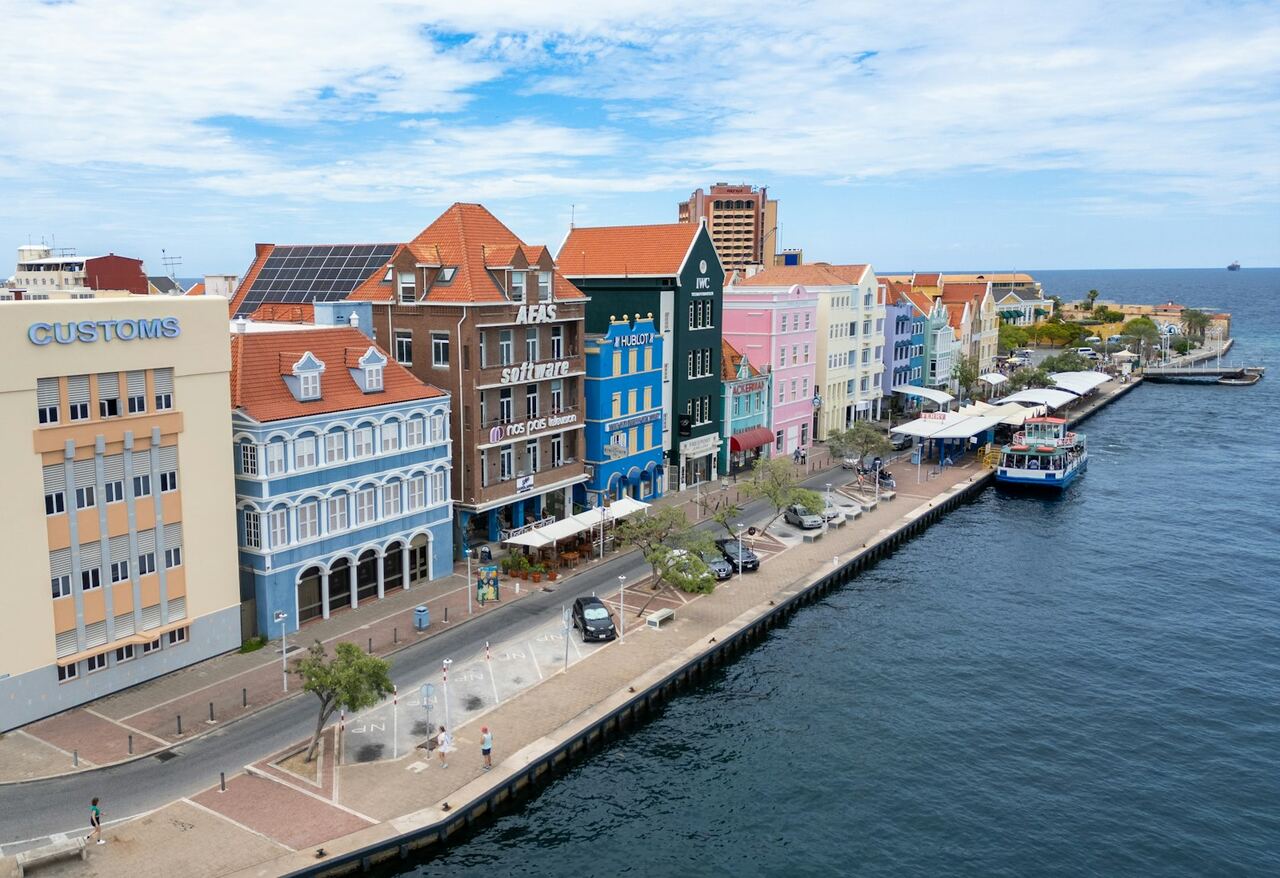
- Pietermaai and the historic centre: city living in restored buildings, with restaurants and nightlife close by.
- Jan Thiel and Spanish Water: beach clubs, marinas, sailing and waterfront homes on the south-east coast.
- Blue Bay and Coral Estate: gated resort communities with golf, beach or diving on the doorstep.
- Westpunt and Banda Abou: the quieter west, with nature, beaches and space.
For a wider view of neighbourhoods, climate and practicalities, see our guide to living in Curaçao.
What does a long-term lease in Curaçao cover?
A good lease leaves nothing open to interpretation. Before you sign, check that it states at least the following:
- The monthly rent, the currency (XCG or USD) and the payment date.
- The start date and the duration of the lease.
- The deposit amount, where it is held and the conditions for its return.
- The notice period for both tenant and owner, and how notice must be given.
- What is included: water, electricity, internet, garden and pool maintenance, and any community fees in a gated resort.
- Who handles which repairs and how quickly.
- Rules on pets, subletting and changes to the property.
Utilities deserve a close look. In a warm climate, air conditioning can make electricity a significant monthly cost, so if utilities are not included, ask the owner for an indication of recent bills.
Should you rent furnished or unfurnished?
Furnished
A furnished home lets you move in with a suitcase, which suits a first year on the island or a trial period before buying. Ask for a written inventory with the condition of each item and photos, signed by both sides at check-in.
Unfurnished
An unfurnished home gives you more freedom and often suits longer stays, especially if you are shipping your own furniture. Check what “unfurnished” means for that property: some include a fitted kitchen, appliances and air conditioning, others very little.
How do deposit and notice work for a rental house?
There is no single standard amount for a deposit or a fixed notice period that applies to every rental. Both are agreed in the lease and vary by owner, property and lease length. Rather than assuming a norm, ask up front and get the answers in writing:
- How much is the deposit, and is it held by the owner or the agency?
- When will it be returned, and which deductions are allowed?
- How much notice must each side give, and can the lease be ended early?
- What happens at the end of the term: automatic renewal or a new contract?
Pay the deposit only against a signed lease and a receipt. Walk through the home with the owner or agent at check-in and check-out, and record the condition with dated photos.
What should owners know about renting out a house long term?
For owners, the tax rules favour long-term lets. Turnover tax (OB) on rentals is 0% on long-term residential lets of one year or more, compared with 6% for stays of 91 days to one year and 7% for stays up to 90 days.
Rental income is also taxed. Of the gross rent, 35% is deducted automatically and the remaining 65% is taxed at progressive income tax rates, from 9.75% to 46.5%. Rules can change, so confirm your situation with a notary or tax advisor.
Our rental advice for owners and tenants explains how we help find reliable tenants and manage the lease.
Is it smart to rent before you buy in Curaçao?
For many people relocating, a one-year lease is the best way to test a neighbourhood: the drive to work or school, the noise at night, how the street handles a heavy rain shower. It also gives you time to understand the market before you make an offer. We explain this approach in detail in our article on why to rent before you buy in Curaçao.
Frequently asked questions
Can foreigners rent a house in Curaçao?
Yes, a lease is a private agreement between tenant and owner. Note that renting or owning a home does not by itself give you a residence permit, so confirm the residence rules for your situation with the immigration department.
Is it better to rent furnished or unfurnished?
Furnished suits a first year or a trial period before buying. Unfurnished suits longer stays and people bringing their own furniture. Always check exactly what is included.
How much is the deposit on a rental house in Curaçao?
There is no single standard amount. The deposit is agreed in the lease, so ask for the amount, who holds it and the conditions for its return before you sign.
Do owners pay turnover tax on long-term rentals?
Turnover tax (OB) is 0% on long-term residential lets of one year or more. Shorter stays are taxed at 6% or 7%.