
Renting in Curaçao before you buy is the lowest-risk way to choose the right area. Living on the island for a while shows you the commutes, noise, neighbours and seasons that a holiday never reveals. It also gives you time to learn a market with no MLS and no public sold prices before you commit your capital.
Why does renting in Curaçao first make sense?
Buying is a big commitment on any island, and Curaçao has a few features that make a trial run especially valuable.
- The market is fragmented. There is no MLS, no national listings portal and no public database of sold prices. Listings are spread over 45+ agencies. Living here helps you understand value street by street.
- Buying takes time and money. Buyer closing costs are about 5% to 8% all-in, and transfer takes up to 3 months in practice. Choosing the wrong area is expensive to undo.
- Areas feel different day to day. A holiday week in Jan Thiel tells you little about a school run, a supermarket trip or a quiet Sunday in Westpunt.
- Residency runs on its own track. Owning property alone does not give you a residence permit, so renting while your permit is arranged is often the natural sequence.
Which areas should you test while renting?
Pick the area you think you want, then use weekends to explore one or two alternatives. These are the areas most buyers compare:
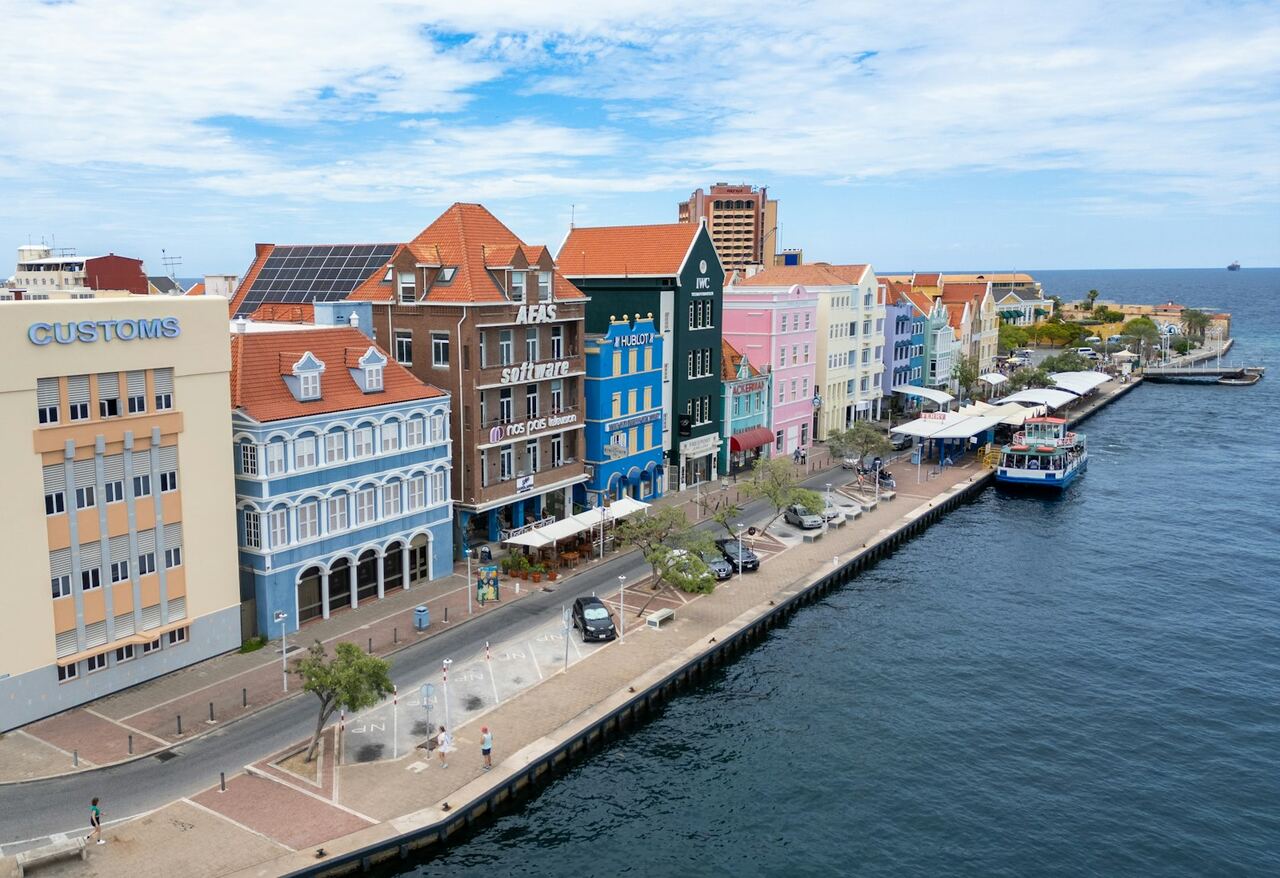
- Pietermaai and Punda: historic, walkable and lively, next to Willemstad’s UNESCO World Heritage centre.
- Jan Thiel and Spanish Water: beach clubs, restaurants, marinas and gated communities on the south-east coast. The Spanish Water area alone had about 200 sale listings in January 2026, and Jan Thiel 98.
- Blue Bay: a gated golf and beach resort community north-west of Willemstad, with 83 sale listings and a median asking price of XCG 8,500 per m² (about USD 4,750).
- Coral Estate: ocean views and diving on the west coast, with 105 sale listings and asking prices from about EUR 275,000 for smaller units.
- Westpunt and Banda Abou: quieter, close to nature and beaches like Grote Knip. Test the drive into town before you commit.
Listing figures come from the CaribbeanHouseHunt market report of January 2026 and are asking prices. For a broader view of daily life, see our guide to living in Curaçao.
How do you find a good rental in Curaçao?
Start with our current rental listings in Curaçao, then check each option against how you will actually live.
- Is it furnished, and what exactly is included?
- Who pays for utilities, internet, garden and pool maintenance?
- How long is the lease, and how flexible is it if you find a home to buy?
- How far is it to the shops, the beach and your work or school?
Visit at different times of day before you sign. Traffic, wind and noise change more than most newcomers expect.
Keep a simple diary while you rent: how long errands take, what you spend, where you end up on weekends. After a few months, that record usually points clearly to the area where you should buy, and it gives you a realistic household budget to plan around.
What tax rules apply when owners rent out in Curaçao?
If you are an owner, or you plan to rent out the home you eventually buy, the length of the rental matters. Turnover tax (OB) on rentals is:
| Rental period | OB |
|---|---|
| Up to 90 days | 7% |
| 91 days to one year | 6% |
| Long-term residential let of one year or more | 0% |
For rental income tax, 35% of gross rent is deducted automatically. The remaining 65% is taxed at progressive income tax rates from 9.75% to 46.5%. Our rental advice for owners explains how to set up a let.
Rules can change, confirm your situation with a notary or tax advisor.
What returns do rentals in Curaçao actually make?
Developer and broker projections often quote 8% to 12% gross (6% to 9% net), with 60% to 70% occupancy. Treat those as projections. Independent measured data from AirROI for Willemstad, covering the 12 months to July 2026, shows an average daily rate of about USD 141, occupancy of 42.2% and average annual revenue per listing of about USD 18,356. The reality check matters: buy a home you want to live in, and see rental income as a bonus rather than the plan.
When should you move from renting to buying?
You are ready when you can name the street you want, you know what similar homes are asking, your financing is clear and your residency route is in motion. Non-residents typically need 35% to 40% down for a mortgage, residents 20% to 30%, so your status can change your numbers. When you reach that point, browse homes for sale and let us arrange viewings. Dutch readers can find more on relocating in het Nederlands.
Frequently asked questions
Is it better to rent or buy in Curaçao?
For most newcomers, renting first is the safer start. It lets you test areas and learn the market before committing to closing costs of about 5% to 8%.
Which areas are best to rent in Curaçao?
Most buyers compare Pietermaai, Jan Thiel and Spanish Water, Blue Bay, Coral Estate and Westpunt. Each has a different rhythm, so test more than one.
Do landlords in Curaçao pay OB on long-term rentals?
OB is 0% on long-term residential lets of one year or more, 6% for 91 days to one year and 7% for stays up to 90 days.
Can I rent while my residence permit is arranged?
Renting while your permit is processed is a common sequence. Confirm the conditions of your own permit with the immigration department.
Lees dit artikel in het Nederlands: Huis huren op Curaçao: eerst huren, dan pas kopen