
Curaçao hurricane season follows the Atlantic calendar, from 1 June to 30 November, but the island lies south of the main hurricane belt and is rarely hit directly. For homeowners the real risk is heavy rain from passing tropical storms, so drainage, the roof, shutters and the right insurance matter most.
When is Curaçao hurricane season?
The Atlantic hurricane season officially runs from 1 June to 30 November. Curaçao falls within that calendar, like every Caribbean island, but its position is what sets it apart. The island lies south of the main hurricane belt, and direct hits are rare.
Two other seasonal patterns shape daily life more than hurricanes do. The rainy season runs roughly from October to January, when short and heavy showers become more common. And the trade winds blow for most of the year, which is why so many homes on the island are oriented to catch the breeze.
Does Curaçao get hurricanes?
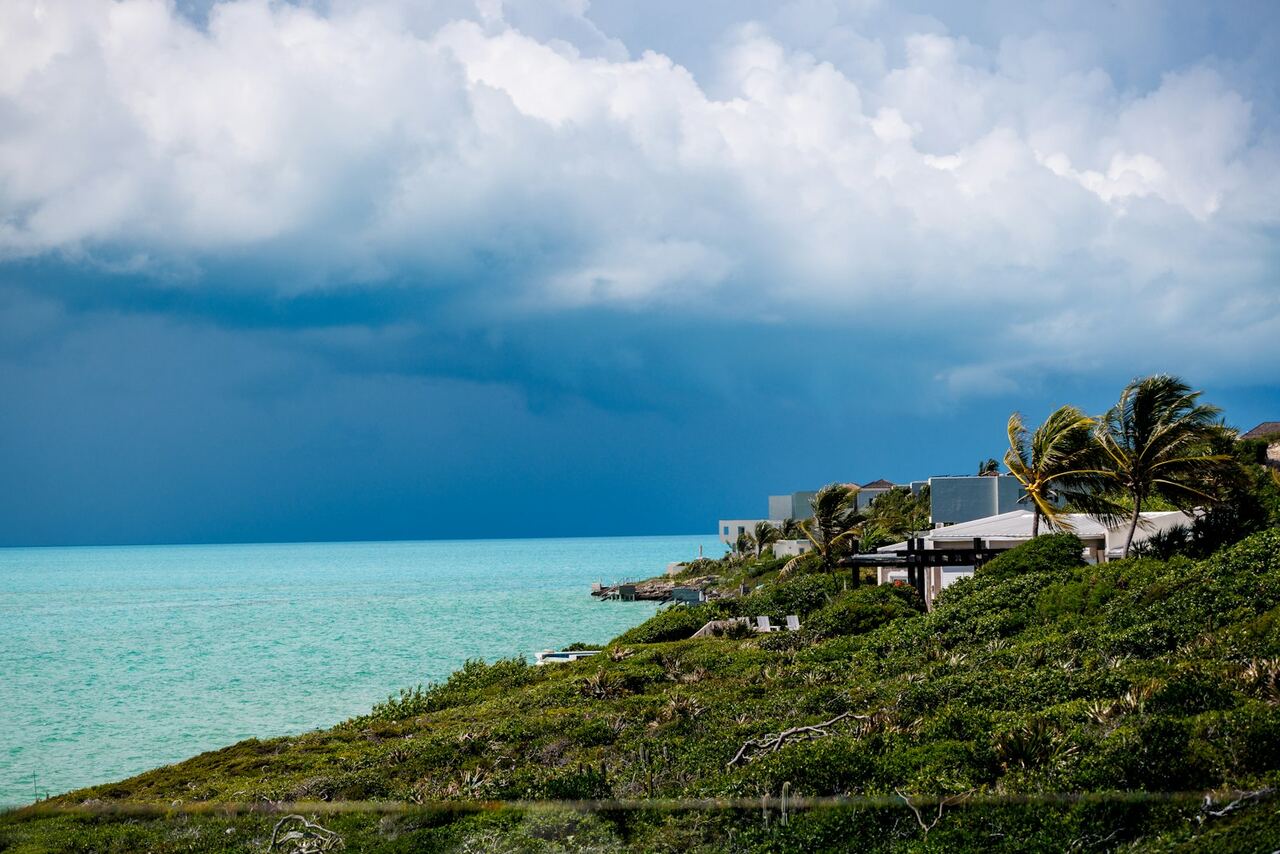
Rarely. Because Curaçao sits outside the main hurricane belt, the island is seldom in the direct path of a hurricane. That does not mean it is untouched by the season. Tropical storms passing nearby can still bring heavy rain.
The clearest example is Tropical Storm Tomas in November 2010, which caused flooding on the island. Tomas was not a direct hurricane strike, yet streets and properties with poor drainage still suffered. For homeowners, that is the practical lesson: on Curaçao, water is usually a bigger concern than wind.
What does hurricane season mean for homeowners?
For most owners, the season is a reason for maintenance rather than alarm. A well-kept home handles it comfortably. The work is in the preparation, ideally before the rainy months begin in October.
- Drainage: clear gutters, drains and downpipes, and check that water runs away from the house, not toward it.
- Roof: look for loose tiles, cracked seals and worn edges around solar panels or air conditioning units.
- Shutters: test that they close easily and repair broken hinges or locks.
- Loose items: secure or store garden furniture, pool equipment and, on waterfront plots, boats and paddleboards.
- Trees: trim branches that overhang the roof or the power line.
- Insurance: review your policy with your insurer before the season, not after a storm.
If you own a second home and spend part of the year abroad, arrange for someone to check the property after heavy rain. A property manager or trusted neighbour who clears a blocked drain early can stop a small problem from becoming an expensive one.
What should buyers check in a home before hurricane season?
When you view a property on Curaçao, look at it the way a heavy rain shower would. A few targeted questions tell you a lot about how a home was built and maintained.
Drainage and location
Notice where the property sits. Is it on a slope, at the low end of a street or next to a natural watercourse? Ask the seller whether water has ever collected on the plot, and look for staining low on outside walls. The garden and driveway should slope away from the house.
Roof and gutters
Ask how old the roof is and when it was last inspected. A flat roof needs a sound waterproof layer and outlets free of debris. A pitched roof needs secure tiles and well-sealed edges. If you have doubts, arrange a building inspection before you sign. The cooling-off period for a private buyer of a residential property is only 3 full working days, so do your checks early.
Shutters and windows
Check whether windows and doors have shutters and whether they actually work. Look at seals and frames for signs of leaks.
Insurance
Ask your insurer early which risks a policy covers, such as storm and water damage, and which conditions apply, for example working shutters or regular maintenance. Terms differ per insurer and per property, so request a quote for the specific home before you commit and include it in your running costs.
Why does hurricane season matter when comparing islands?
Many buyers compare several Caribbean islands, and hurricane exposure is one of the most practical differences. Islands further north, inside the main hurricane belt, face a higher chance of a direct hit, which can weigh on insurance, building standards and the peace of mind of owning a home you are not always there to look after.
Curaçao’s position south of the belt is a genuine advantage for second-home owners, retirees and investors with a rental property. It does not remove the need for maintenance and good cover, but it shifts the focus from storm protection to water management.
The same checks apply wherever you look, whether that is a waterfront home around Spanish Water, a villa in Blue Bay or a house in the quieter west of Banda Abou. Our guide to living in Curaçao covers climate and daily life in more depth, and our advice for buyers walks you through the purchase itself.
Is hurricane season a good time to buy in Curaçao?
Hurricane season does not pause the market. Viewings, negotiations and notary transfers continue throughout the year. A viewing in the rainy months even shows you how a property and its street handle real rainfall.
If you plan a viewing trip, allow some flexibility for a rainy day, and remember that the transfer at the notary takes 6 to 8 weeks on paper and up to 3 months in practice. You can start by browsing our homes for sale in Curaçao.
Frequently asked questions
When is hurricane season in Curaçao?
It runs from 1 June to 30 November, in line with the Atlantic hurricane season. The island’s rainy season runs roughly from October to January.
Has Curaçao ever been hit by a hurricane?
Direct hits are rare because Curaçao lies south of the main hurricane belt. Tropical storms can still bring heavy rain, as Tropical Storm Tomas did in November 2010, when it caused flooding.
Do I need storm insurance for a home in Curaçao?
Discuss storm and water damage cover with your insurer. Policies and conditions differ, so ask for a quote for the specific property before you buy.
What is the biggest weather risk for homeowners on Curaçao?
Heavy rain and poor drainage, more than wind. Check gutters, drains, the roof and the slope of the plot before the rainy season starts.
Lees dit artikel in het Nederlands: Orkaanseizoen op Curaçao: wat huiseigenaren moeten weten