
What is it like to live in Curaçao? Warm and sunny all year, multilingual, culturally rich and calmer in pace than most cities. The island is part of the Kingdom of the Netherlands, has direct flights to Amsterdam and several US cities, and suits people who value outdoor life and community over big-city convenience.
We meet people every week who are weighing a move, from retirees and remote workers to families and entrepreneurs. This is the honest version of what we tell them: what you will love, what takes getting used to and how to test the island before you commit. For practical next steps, start with our hub on living in Curaçao.
What is the climate like in Curaçao?
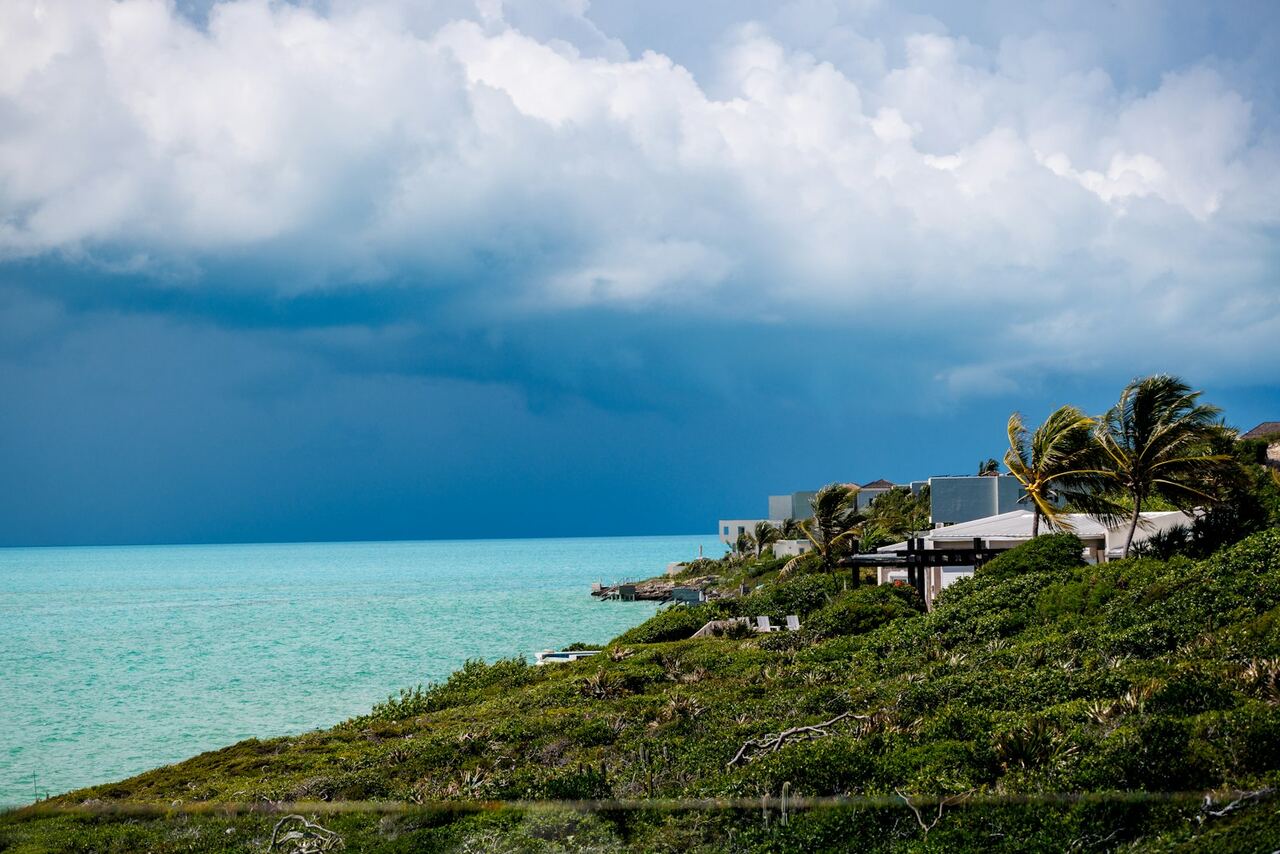
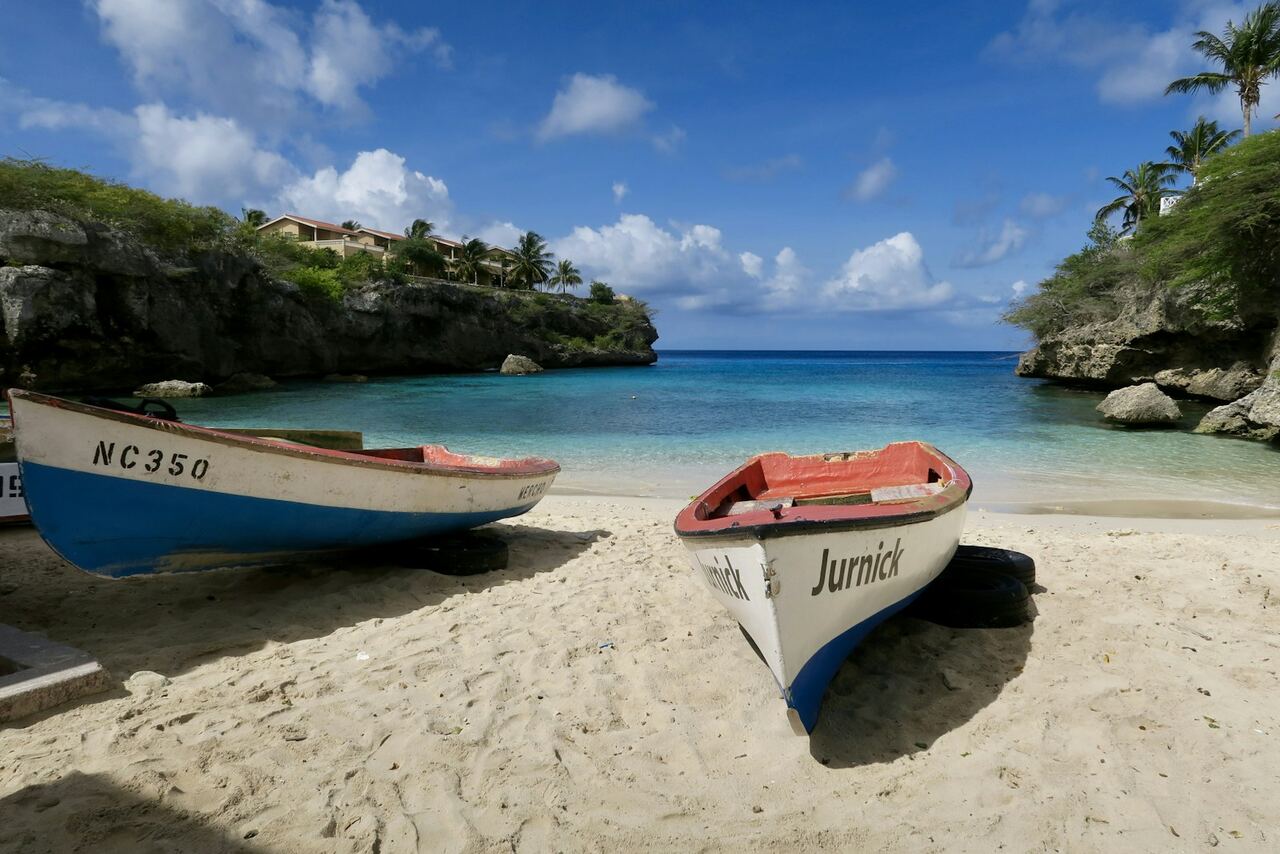
Curaçao is warm year-round, with sunshine most days and a steady trade wind that keeps the heat comfortable, especially near the coast. The island is dry compared with greener Caribbean destinations, so the landscape is a mix of cactus, scrub and bright blue water. Curaçao also lies outside the hurricane belt and is rarely hit, which matters if you plan to own a home.
The climate shapes daily life. Mornings and evenings are for exercise, the beach and dinner outside. Air conditioning, sun protection and a shaded terrace quickly become essentials.
What languages are spoken in Curaçao?
Curaçao has three official languages: Papiamentu, Dutch and English. Papiamentu is the language of everyday life, heard on the street, on the radio and at family gatherings. Dutch is used in government, legal documents and education, and English is widely spoken in business and tourism. Many locals switch easily between languages in a single conversation.
You can get by in English or Dutch, but learning a few words of Papiamentu is the fastest way to feel at home. A simple “bon dia” goes a long way.
What is it like to live in Curaçao day to day?
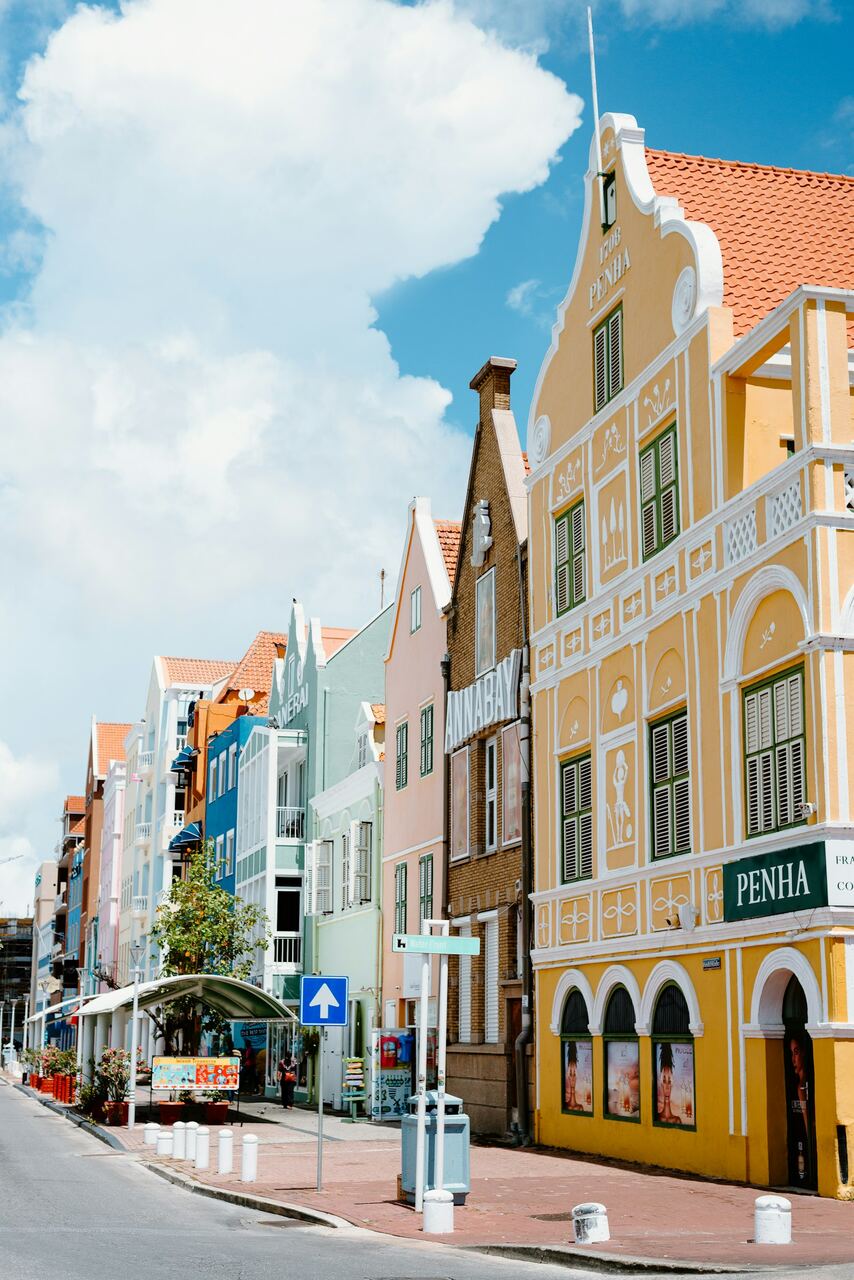
Curaçao blends Caribbean, European, African and Latin American influences, and you see it in the food, music and architecture. Willemstad’s historic centre, Punda and Otrobanda, is a UNESCO World Heritage Site, and the restored district of Pietermaai next door is full of boutique hotels, restaurants and evening life. Our own office is there, at Kaya Wilson Papa Godett 81.
The pace is slower than in Amsterdam or New York, and that is both the charm and the adjustment. Appointments can run late, paperwork takes time and things sometimes happen in their own order. Buying property is a good example: the step from purchase agreement to transfer at the notary takes 6 to 8 weeks on paper and up to 3 months in practice, because of a shortage of notaries. People who arrive with patience and a sense of humour settle in far more easily.
How does the link with the Netherlands work?
Curaçao is a constituent country within the Kingdom of the Netherlands. For Dutch newcomers that brings familiarity: Dutch is an official language, legal structures look recognisable and many services work in Dutch. Dutch nationals have their own residence rules, so confirm what applies to you with the immigration department.
For other nationalities, owning property does not by itself give you a residence permit. There are specific routes. The penshonado regime is for retirees aged 50 and over who have lived abroad for 60 consecutive months; among other conditions, you must own a home for your own use worth at least XCG 450,000 (about USD 251,000) within 18 months, your foreign income is taxed at a flat 10% and local employment is not allowed. There is also an investor residence permit with tiers linked to the amount invested, which have been under discussion, so always confirm the current amounts. Rules can change, confirm your situation with a notary or tax advisor.
How easy is it to fly to and from Curaçao?
Hato International Airport has direct flights to Amsterdam and to several US cities, which makes Curaçao practical for people who split their time between two homes or travel for work. It is also one reason the island attracts both Dutch and American residents. In March 2026 the United States overtook the Netherlands as Curaçao’s number one source market for the first time.
What is the community like for newcomers?
Curaçao has a long-established Dutch community, a growing number of Americans and residents from many other countries alongside the local population. Social life often forms around shared interests: diving, sailing, golf, sports clubs, volunteering and the restaurant scene in Pietermaai and Jan Thiel. Many newcomers say the island feels small in a good way, because you keep running into the same faces.
It is worth knowing the local context too. The average local gross salary is about EUR 1,700 per month, and many islanders live very differently from visitors and second-home owners. Newcomers who learn some Papiamentu, support local businesses and take an interest in the island’s history tend to build the strongest connections.
How can you test whether island life suits you?
- Stay longer than a holiday: a few weeks outside the resorts shows you everyday life.
- Try different areas: city living in Pietermaai feels very different from Jan Thiel, Blue Bay or the quiet west around Westpunt. Our neighbourhood guide helps you compare.
- Do the practical things: the supermarket run, a visit to a government office, a drive at rush hour.
- Look at real homes: browsing our homes for sale in Curaçao helps you match lifestyle to budget. All published prices on the island are asking prices.
Frequently asked questions
Is Curaçao a good place to live?
For people who enjoy warm weather, outdoor life and a relaxed pace, it can be an excellent choice. It helps to accept slower bureaucracy and to spend real time on the island before you move.
Do I need to speak Dutch or Papiamentu to live in Curaçao?
No. English is widely spoken and is one of the three official languages. Learning some Papiamentu makes daily life and friendships easier.
Does Curaçao get hurricanes?
Curaçao is outside the hurricane belt and is rarely hit, which is a real advantage over many other Caribbean islands.
Can I live in Curaçao just by buying a house?
No. Owning property does not by itself give you a residence permit. Look at routes such as the penshonado regime or the investor permit, and confirm the current rules with the immigration department.
Lees dit artikel in het Nederlands: Klimaat op Curaçao: wat het betekent voor uw woning